
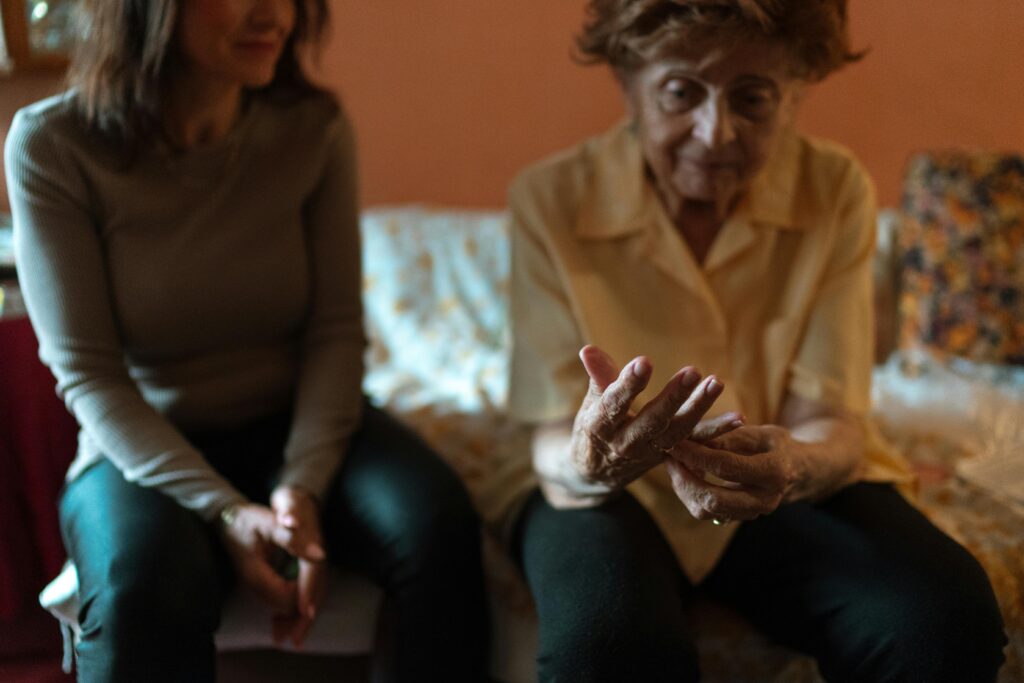
Supporting a loved one with Alzheimer’s or another form of dementia at home can be meaningful, but it also comes with real safety challenges. Wandering, confusion, and changes in judgment can turn ordinary rooms into potential hazards. Families across New Jersey often wonder how to create a home environment that’s supportive, predictable, and secure.
Here are some of the most effective safety strategies used by dementia-trained caregivers and home care professionals.
1. Create a Calm, Predictable Home Environment
People living with dementia often feel overwhelmed by clutter, noise, and frequent changes. A calm home helps reduce agitation and confusion.
Effective steps include:
- Simplifying walkways and removing tripping hazards
- Keeping frequently used items in the same place
- Using labels or pictures to identify rooms, drawers, or closets
- Maintaining regular daily routines to avoid unnecessary stress
2. Prevent Wandering and Elopement Risks
Wandering is common among individuals with Alzheimer’s, especially in middle and later stages. Safety measures can help prevent accidents and protect dignity.
Helpful tools include:
- Door alarms or chimes
- Child-proof covers on doorknobs
- Secured outdoor spaces where supervised walking is safe
- Motion-sensor lighting for nighttime movement
Trained caregivers are also skilled at redirection, using gentle conversation or activities to shift focus when restlessness begins.
3. Support Medication and Health Management
Missed doses, double dosing, or mixing medications can be dangerous. Dementia-trained caregivers provide structured support, such as:
- Medication reminders
- Monitoring health changes
- Tracking appetite, hydration, mobility, and behavior
This consistent oversight helps catch small issues before they become emergencies.
4. Reduce Risks in the Kitchen and Bathroom
Two of the most dangerous rooms in the home can be made much safer with small proactive steps.
Kitchen:
- Install safety knobs or automatic shut-off tools for stoves
- Keep sharp objects out of reach
- Store cleaning products in locked cabinets
Bathroom:
- Use grab bars near the toilet and in the shower
- Add non-slip mats
- Adjust water heater settings to prevent burns
5. Know When to Bring in Professional Support
Even the most attentive family caregiver can’t provide constant supervision without fatigue. A trained home health aide can ensure safety, reduce stress, and maintain a consistent daily routine for someone living with Alzheimer’s or dementia.
Professional dementia home care typically includes:
- One-on-one supervision
- Cognitive and memory-friendly activities
- Mobility and fall-prevention support
- Help with bathing, dressing, grooming, and toileting
- Medication reminders
- Meal preparation and structured routines
- Respite for family caregivers
Many families in New Jersey pay through Medicaid (MLTSS), VA benefits, or private pay, and Safe Harbor can assist with verifying eligibility and navigating authorizations.
6. Need Support Keeping Your Loved One Safe at Home?
Safe Harbor Homecare can step in with as much help as you need, whether it’s a few hours a week or full-time care. Our caregivers are trained, licensed, bonded, insured, and supervised by a registered nurse, ensuring your loved one receives safe, reliable, and compassionate support every day.
We help families by:
- Creating a safer home environment and reducing fall or wandering risks
- Establishing consistent routines to ease confusion and frustration
- Providing personal care, meal prep, mobility assistance, and emotional support
- Taking over caregiving duties so families can rest, work, and recharge
- Offering respite care or long-term ongoing support
- Coordinating with case managers and verifying eligibility through Medicaid (MLTSS), VA benefits, or private pay
If you’re unsure what level of care is right, we’ll walk you through your options, explain coverage, and schedule an in-home assessment to help your loved one stay safe and supported at home. Call us at 609-549-6435 or request a callback to talk through your loved one’s needs and see what support makes the most sense.